

These migrations have brought Bunun communities to a wide range of places, including Zhuoxi and Wanrong townships in Hualien County, Haiduan and Yanping townships in Taitung County, and Namasia and Taoyuan districts in Kaohsiung City. In Nantou County, Bunun communities are found in Ren'ai and Xinyi townships, among other areas.
At the heart of Bunun culture is a rich cycle of seasonal ceremonies, guided by a ritual calendar based primarily on the phases of the moon and informed by the rhythms of nature. Passed down through generations, these traditions embody the Bunun way of living in harmony with the natural world. They also reflect close observation of and respect for mountain plants and animals and changes in the weather, expressing reverence and gratitude toward nature and ancestral spirits.

The Bunun legend is closely related to nature and animals. The Hundred-pace snake had lived peacefully among the Bunun tribe and protected them. Legend has it that the snake was originally a Bunun child, who had died and was reincarnated into a snake. Therefore, it is said that the skillful Bunun hunters never hunted or ate snakes. In the Bunun language, the name for the Hundred-pace snake is "Kaviaz", which means "friend"

Bunun people hunt and farm according to the growth season of crops and the shape of the moon.
Each year from May to June, during the full moon, the Ear-Shooting Festival and Baby Blessing Festival are held. The former is one of the ceremonies that celebrate "the becoming of an adult". The tribe's elders teach young boys hunting skills, and from this ceremony, cultural heritage is passed to the younger generation. The latter is held to pray for blessings for all the newborns that year, and also where they receive the well wishes from the tribe.

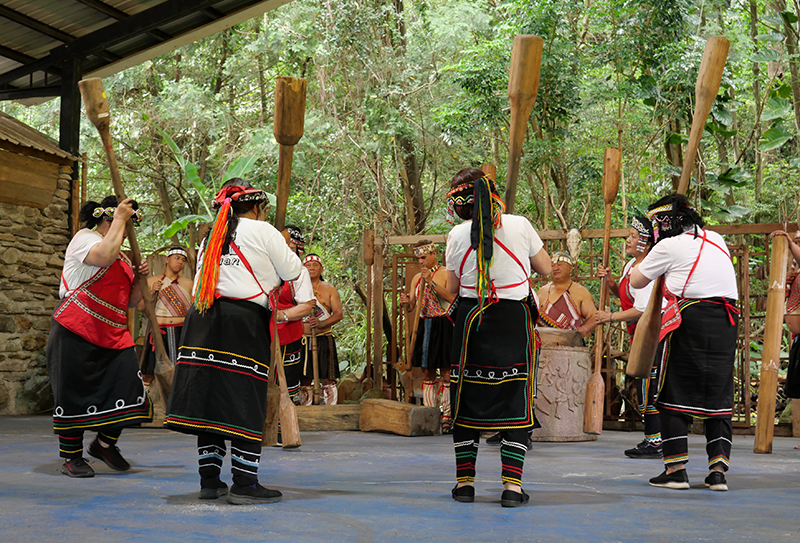
- Show Time: Sat. 14:00-15:00, Sun. 13:30-14:30
- Venue: Takmazuan Arts Group Theater (101, Kaisin Alley, Dili Village, Shinyi Township, Nantou County)
- For information about tribal tour packages and reservations for show tickets, please call Mr. Chuan at +886-49-2741619.

Craft your own signature scent with maqav, a signature spice of Taiwan's Indigenous peoples, also known as mountain pepper. In this immersive experience, a fragrance facilitator guides you as you blend maqav with floral, herbal, and woody essential oils.

Huna, the paper mulberry, is an important resource in traditional Bunun mountain life, with every part of the tree put to use. In this workshop, pound the tree's distinctive leaves onto a fabric bag to create your own botanical print.

Discover why the Zhuoshui River runs muddy, and hear the legend of the Bunun people's pact with the moon and the origins of their distinctive ritual calendar. Paint a stone to take home as your own keepsake of blessings.

From its motifs and colors to its public art, the grounds reflect the local culture throughout. The centerpiece is the giant Bunun Qudas sculpture, handcrafted by Bunun artist Laung. The information station provides comprehensive travel information for the Matamasaz Bunun area.

Spanning 342 meters and suspended 110 meters above the gorge, this bridge captivates visitors with its colorful deck and dramatic canyon views. Like an enduring rainbow across the valley, it is one of the community's most breathtaking hidden gems.
#Closed every Wednesday
- +886-49-274-2808
- No. 18-3, Kaixin Ln., Neighborhood 1, Dili Vil., Xinyi Township, Nantou County


The Thao tribe is one of the indigenous tribes in Taiwan, and the earliest settlers in the Sun Moon Lake area. The name for the Thao tribe originated from the "Thao" language, which means "human". A scholar from the Japanese occupation era used the Thao term "Ita Thao", meaning "We are human", and referred to this group of people as Thao people.
According to legend, an ancestor of the Thao tribe was hunting and had chased a white deer all the way to Sun Moon Lake, thus inadvertently discovered this lake with abundant fish and shrimp.Consequently, the whole Thao tribe moved to settle here.
For more than 200 years, the Thau have lived through Qing rule, Japanese colonial rule, and Nationalist governance, as well as Han Chinese migration and the pressures of state control. These forces profoundly changed their traditional society. Even so, the Thau have continued to work alongside neighboring communities to live together in harmony.
Like Takrahaz in their myths, the Thau uphold traditional fishing practices that coexist with nature, avoiding overfishing that could harm aquatic ecosystems. Their stewardship of the lake's waters carries forward generations of wisdom about how communities and the environment can thrive together.

One night, all the fish and shrimp in the tranquil waters of Sun Moon Lake vanished!
To find out why, the Thau dived into the lake and discovered a secret hidden in its depths.
So began a tale of protecting nature.
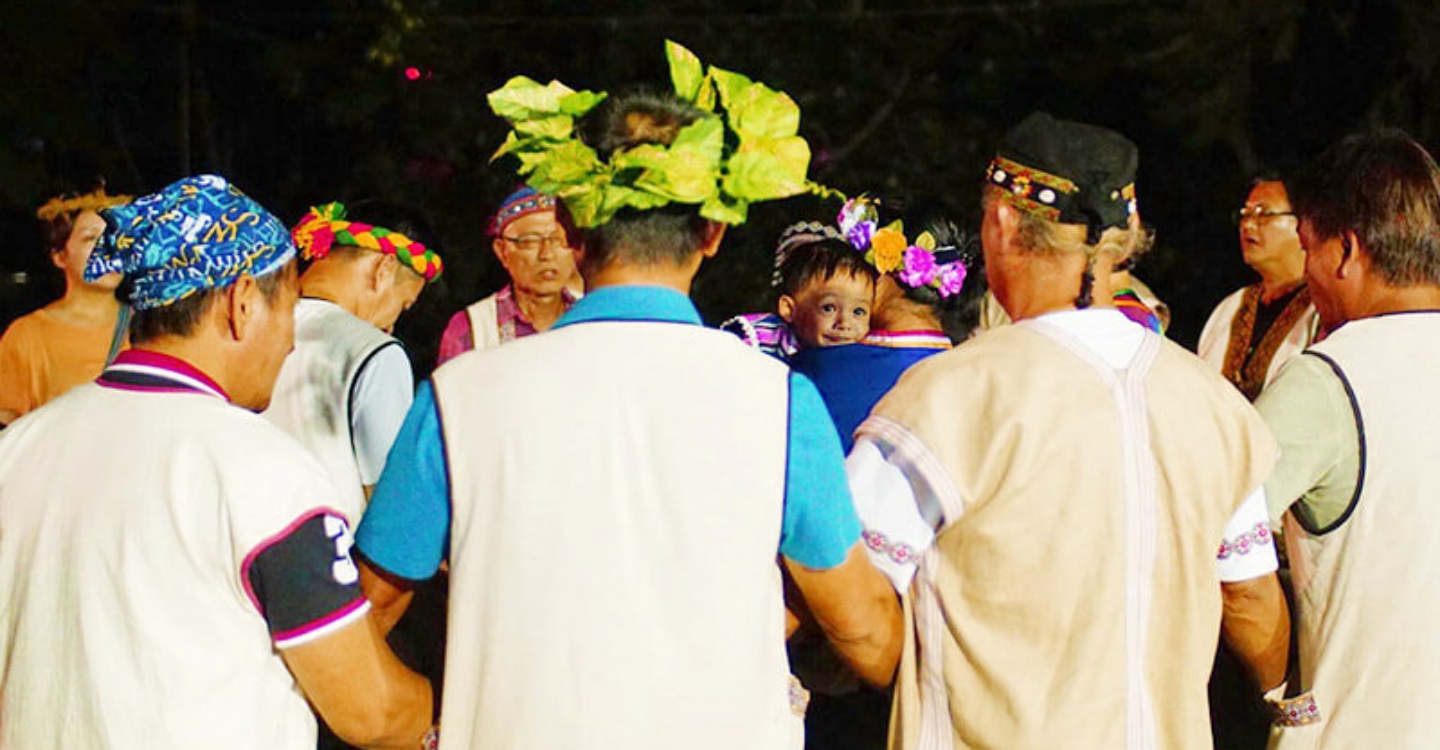
Blessing rituals and Lhalhaishin (a swing ceremony) are performed, symbolizing flourishing crops.
The Shinshii (female priests) conduct mulalu rituals before the homes of the Lhkashnawanan and Lhkatafatu Daduu (chiefs), honoring the ancestral spirits represented by the ulalaluan (ancestral spirit baskets) of all Thau families.
Glutinous rice is shaped into white eels and offered to the ancestors, with prayers for the warriors to return safely with a plentiful catch.
Marking the Thau New Year, this ceremony unfolds in five main stages: Mashtatun (pestle-pounding), Titishan (purification), Muribush (trap-making), construction of a hanan (ancestral shrine), and Shmaila (ceremonial singing and dancing).
Nestled on the shores of Sun Moon Lake, Ita Thau is the heart of Thau culture and a natural starting point for discovering the lake’s scenery and Indigenous heritage. Here, you can experience the richness and depth of Thau culture, beginning with the distinctive rhythms and vitality of its world-renowned pestle music, passed down for centuries. Cultural tours led by community members offer insights into Thau history, while the chance to try on traditional Thau clothing makes for memorable photographs.
Beyond its wealth of cultural experiences, Ita Thau is an ideal base for exploring Sun Moon Lake. Set out on a sightseeing boat or take the Sun Moon Lake Ropeway for sweeping views from above, immersing yourself in the beauty of the lake and its surroundings. With its natural scenery, cultural heritage, and warm Indigenous hospitality, Ita Thau awaits your discovery.


1. Macramé Bag | 90 minutes
2. Macramé Owl Keychain
3. Qruzi (Silver Fern) Round Tray | 180 minutes
4. Qruzi (Silver Fern) Bracelet
5. Macramé Kili Fish Keychain
6. Seed Lucky Pouch Keychain

Dress in traditional Thau clothing and explore the community on foot. Through in-depth tours led by community members, learn about Thau daily life and ceremonial traditions, and discover the connections between the Thau people and the natural world.

Pestle music is a distinctive Thau musical tradition rooted in the Ancestral Spirit Ceremony that marks the New Year. When community members strike their pestles against stones in the courtyard of the chief’s home, the rhythms herald the arrival of the traditional Thau New Year. Born of everyday life and transformed into musical expression, these resonant sounds drift across the mist-covered waters of Sun Moon Lake, embodying one of the most distinctive aspects of Thau culture.

- +886-49-2850036
- No. 62, Yiyong St., Riyue Vil., Yuchi Township, Nantou County
- From Taichung Station (THSR / TRA):
Take the Taiwan High Speed Rail (THSR) or TRA train to Taichung Station → Transfer to the Taiwan Tourist Shuttle Sun Moon Lake Route (Route 6670) to Sun Moon Lake Station → Transfer to the Sun Moon Lake Round-the-Lake Bus (Route 6669) and alight at Ita Thao Station. - From Puli Bus Station:
Transfer to the Taiwan Tourist Shuttle Sun Moon Lake Route B (Route 6670B) to Sun Moon Lake Station → Transfer to the Sun Moon Lake Round-the-Lake Bus (Route 6669) and alight at Ita Thao Station. - From Checheng Station (TRA):
Take the TRA train to Checheng Station → Transfer to the Taiwan Tourist Shuttle Checheng Route (Route 6671) to Sun Moon Lake Station → Transfer to the Sun Moon Lake Round-the-Lake Bus (Route 6669) and alight at Ita Thao Station. - From Shuili Station (TRA):
Take the TRA train to Shuili Station → Transfer to Yuanlin / Nantou Bus Route 6801 to Sun Moon Lake Station → Transfer to the Sun Moon Lake Round-the-Lake Bus (Route 6669) and alight at Ita Thao Station.