This journey intertwines nature, culture, and low-carbon living to offer travelers a truly meaningful experience. From the breathtaking landscapes of Sun Moon Lake to the historic streets of Jiji Township, each stop is carefully curated to celebrate culture, environmental consciousness, and sustainability. Visitors can discover practical yet inspiring ways to embrace low-carbon travel and connect deeply with the local community’s warmth and vitality. Whether gliding quietly across the lake on an eco-friendly electric boat, leisurely pedaling through fields on an electric-assist bicycle, or crafting a delicate moss terrarium, every experience invites travelers to engage with sustainable tourism through their senses and heart. Guests depart enriched with treasured memories and a renewed appreciation for a low-carbon lifestyle.
This travel itinerary follows the ARO principle, an approach adopted by the Paris Olympics to calculate product carbon footprints. By applying this methodology, each traveler’s carbon emissions are successfully reduced to 45 kilograms, 46 kilograms less than the typical 91 kilograms produced by standard itineraries, representing a 50% reduction. Participants can also apply for a carbon offset certificate issued under the international Gold Standard, putting low-carbon travel principles into practical action.
The carbon inventory for this itinerary is conducted by the Tourism Innovation Association of Taiwan.
The carbon verification is carried out by the Sustainable Tourism Research Center at Taipei City University of Science and Technology.
Transportation for the trip primarily relies on Taiwan High Speed Rail, tour buses, and electric-assist bicycles. The average per-person carbon emissions are calculated based on a group of twenty travelers, with reductions measured against emissions from self-driving passenger vehicles or diesel-powered boats.
The Gold Standard (GS) is one of the world’s three leading carbon credit organizations. Its carbon offset certificates can be used for Scope Three disclosures in corporate sustainability reports.
Tour Itinerary
Day 1
Depart from Taipei High Speed Rail Station
The journey begins at Taipei High Speed Rail Station, where travelers gather to embark on a low-carbon Sun Moon Lake experience by boat and bike.
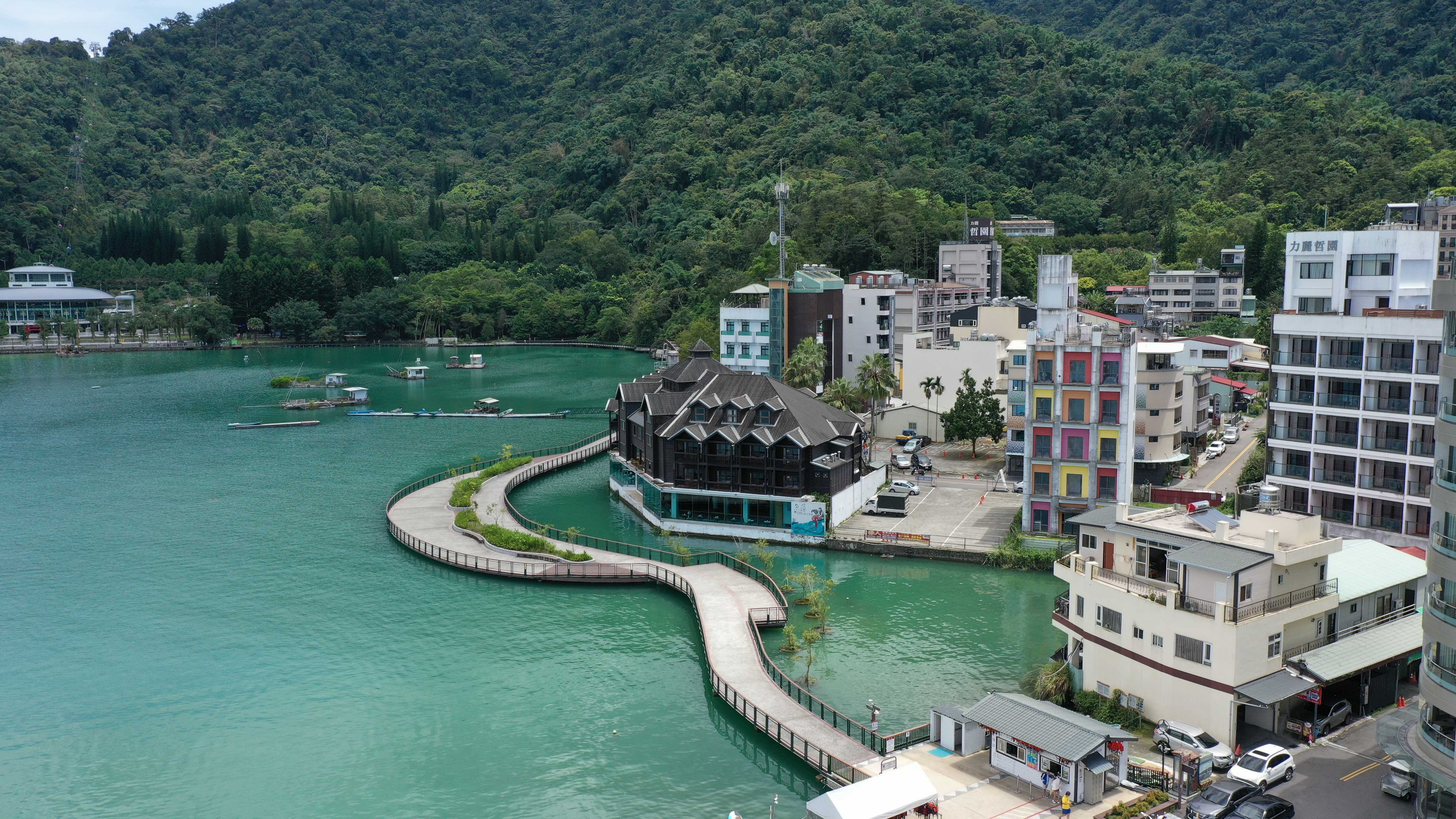
Shuishe Port is not to be missed if you ever visit the Sun Moon Lake. It is close to the lake area's transport hub, Zhongxing Parking Lot, and hotel-filled Shuishe Shopping District where activities and performances take place often, and linked to Shuishe Waterfront Hiking Trail and Hanbi Hiking Trail. Visitors can feel accompanied by the small green lakes here and immerse in lake and mountain scenery.
The length of this trail is about 1.5 kilometers and all of the steps are made of red bricks. Muller's Barbet and many other birds can be seen along this trail in the morning. Walking down to the pier, you will find the enchanting scenery of the Lalu Island in the middle of the lake and the Ci'en Pagoda on a distant mountain.
The Sun Moon Lake Bikeway is about 6.4km in total, and the 3-km Xiangshan Section refers to the part between two important tourist attractions, Shuishe and Xiangshan Visitor Center. Both attractions provide bicycle rentals. There is even a 400m sub-section that's built right above water surface away from houses and shops - it is called the “waterfront bikeway.”
The Takrahaz Water Cycling Path begins at Ita Thao Pier and features notable landmarks such as the Fish-shaped Platform and the Fish Basket-shaped Flower Stand. The path extends 600 meters all the way to the Sun Moon Lake Ropeway Station. From the Ita Thao commercial area, visitors can continue cycling to the Nine Frogs Stack viewing platform while enjoying the scenic Ita Thao waters. The full route covers a total of 2.4 kilometers.
Footprint Inn is more than just a place to rest. It's a living space where sustainability is practiced daily. Let go of conventional hotel expectations. This is life in all its forms, a genuine reflection of our journey. Come with a relaxed mind, bring your toothbrush, and wander through Jiji to find us and discover what makes this place uniquely ours.
Footprint Inn is more than just a place to rest. It's a living space where sustainability is practiced daily. Let go of conventional hotel expectations. This is life in all its forms, a genuine reflection of our journey. Come with a relaxed mind, bring your toothbrush, and wander through Jiji to find us and discover what makes this place uniquely ours.
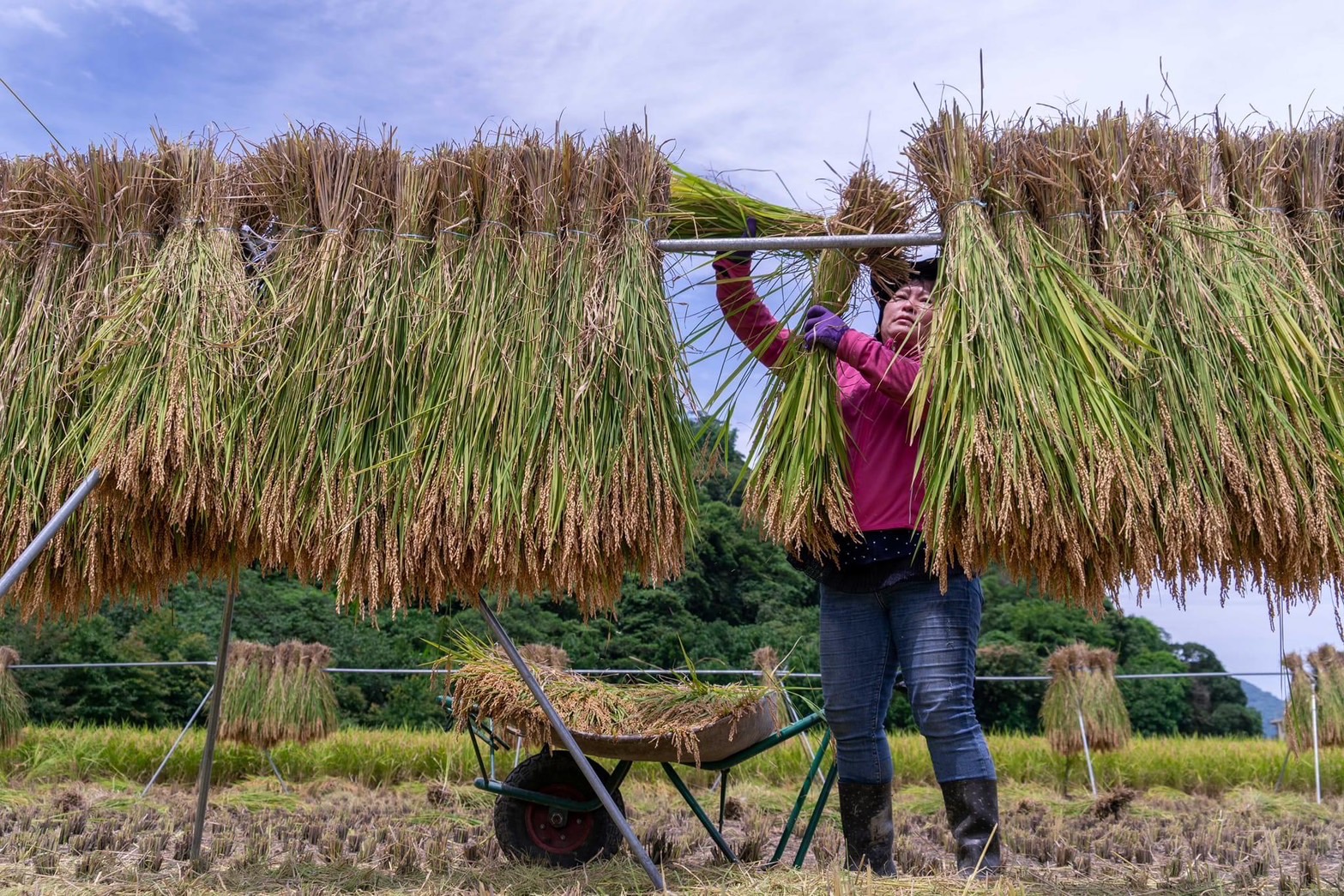
Located in Ruitian Village in Lugu Township, Nantou County, this rural community is known for its strong agricultural character. Its distance from urban pollution and access to clean mountain water create ideal conditions for cultivating pure, high quality rice. These natural advantages have given rise to the well-known local rice brand Luguang Rice.
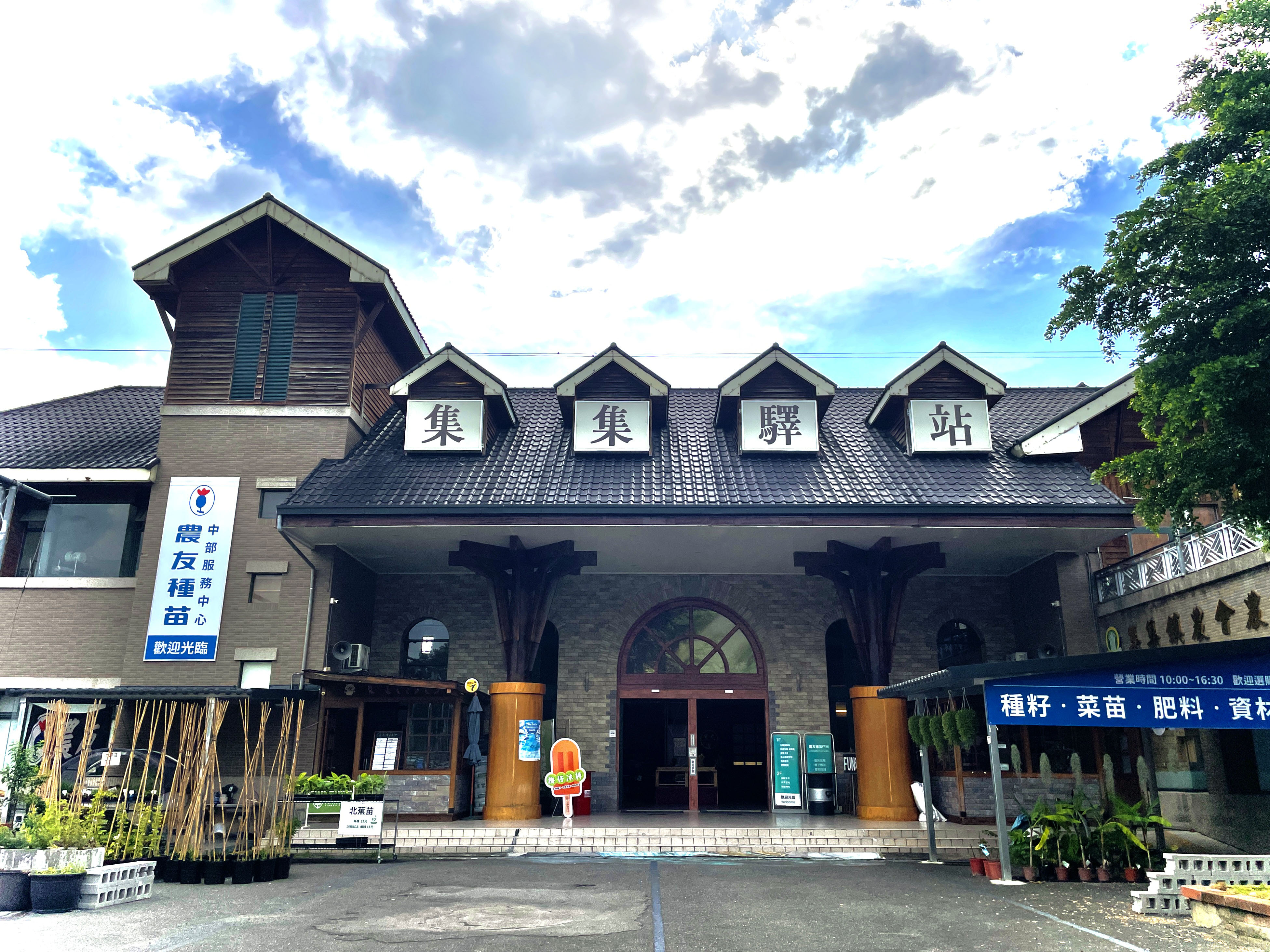
Jiji Station has been developed as a platform for promoting the satoyama-style lifestyle of Jiji. In addition to offering high-quality local products and hosting related activities, the station invites visitors to experience the charm of the historical building while learning about food and farming practices that protect the planet. Guests can carry the spirit of sustainability back into their daily lives through the knowledge gained here.
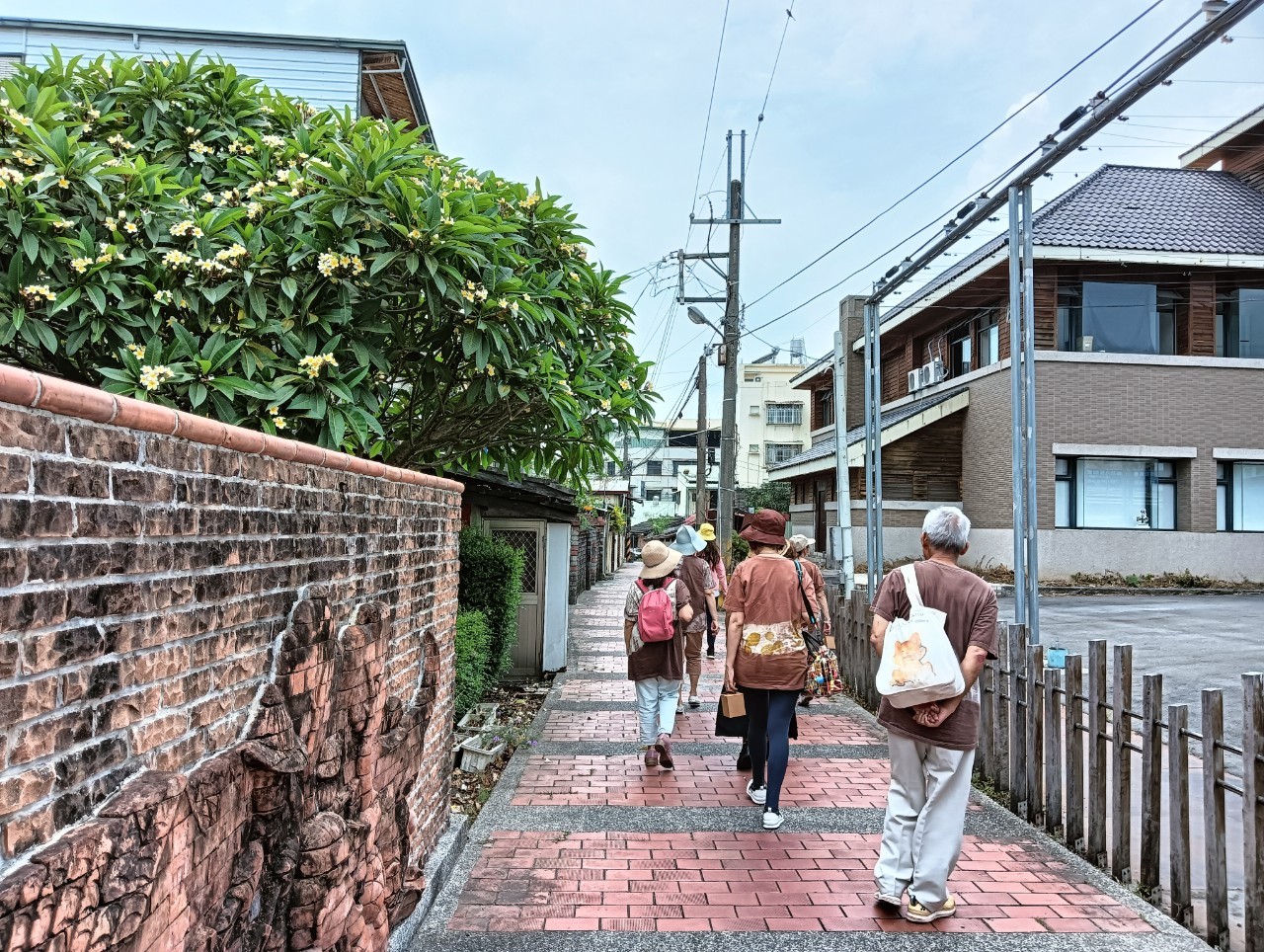
The Jiji Commercial District Tourism Development Association in Nantou County is dedicated to promoting tourism, history, and culture in Jiji Township. From this mission emerged the new brand “Traveler of Jinjii.” We have created in-depth tours and hands-on experiences designed specifically for Jiji, sharing stories of how early settlers shaped this land. Join us as a Traveler of Jinjii and help write a new chapter in Jiji’s ongoing history.
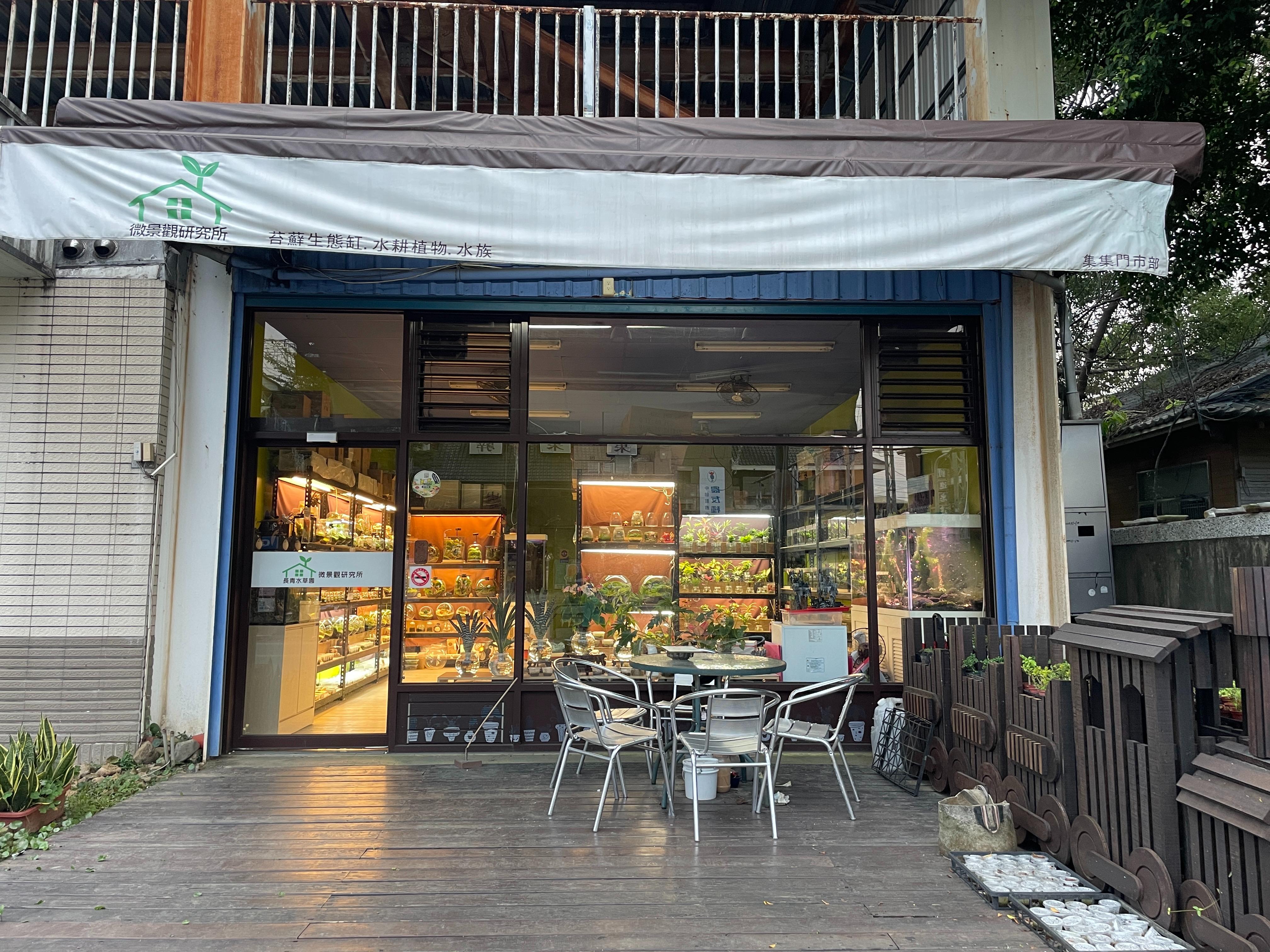
As the largest moss cultivation operation in Taiwan, the studio supplies moss to workshops across the island in addition to running its own storefront. It offers wholesale supply, classes, instructor training, and creative product development to promote the art of moss design.
.jpg)
.jpg)
.jpg)
.jpg)
.jpg)